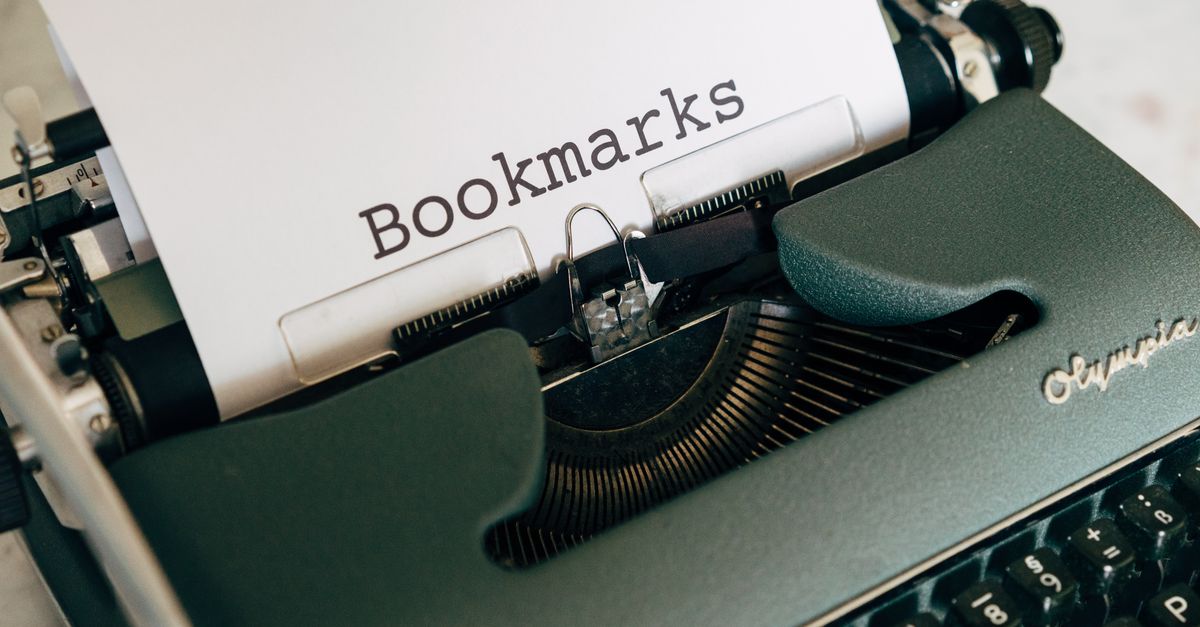
Stop Bookmarking, Start Learning Effectively
July 5, 2026
To effectively stop bookmarking everything you want to read and move towards genuine learning, it's crucial to understand that excessive bookmarking often stems from a fear of missing out, leading to digital hoarding rather than active engagement with information. This habit can ironically hinder knowledge retention and reading comprehension by creating an overwhelming backlog that contributes to information overload and increased cognitive load. Instead of passively saving, the goal is to cultivate strategies for active learning and efficient information management that prioritize understanding and application over mere collection.
The Psychology of Digital Hoarding
Digital hoarding, particularly through excessive bookmarking, is often rooted in a blend of psychological factors. A primary driver is the "fear of missing out" (FOMO), where individuals save articles or resources with the anxiety that valuable information might be lost if not immediately preserved. This leads to a perception of future utility; the belief that "I might need this later" fuels the creation of digital archives, sometimes numbering in the hundreds or even thousands of links. This habit can transform into a form of digital clutter, contributing significantly to information overload. For instance, some users report accumulating close to 1,000 bookmarks, a volume that inevitably overwhelms cognitive capacity and hinders actual engagement.
Another contributing element is the ease of saving. With a single click, tools like Chrome's "Add to reading list" or the ubiquitous bookmark icon allow for instant preservation, requiring minimal effort. This low barrier to entry encourages indiscriminate saving, creating a backlog that few ever fully revisit. This passive collection ultimately increases cognitive load, as the sheer volume of saved items demands mental energy to organize, recall, or simply ignore. The paradox is that while the intention is to facilitate future learning, the outcome is often a barrier to active learning and genuine knowledge retention.
The Hidden Costs of Passive Saving
Excessive bookmarking, while seemingly benign, carries significant costs to effective learning. It actively contributes to increased cognitive load, hindering your brain's ability to process and retain information. When you save hundreds or thousands of articles, each one represents an unresolved task in your mental queue, constantly drawing on cognitive resources. This passive saving habit can actually impede knowledge retention; instead of engaging with the material, you're merely deferring the engagement, often indefinitely. As one user noted, the sheer volume of saved items can make it feel like "you have to read everything," creating an overwhelming sense of obligation without the corresponding learning.
Furthermore, this approach undermines true reading comprehension and active learning. The act of bookmarking bypasses the critical steps necessary for deep understanding, such as summarizing, synthesizing, or applying new information. Unlike active strategies like spaced repetition or focused note-taking, a bookmark offers no direct mechanism for reinforcing memory or integrating new concepts. It's akin to having a library full of unread books—the potential for knowledge exists, but without active engagement, it remains untapped. Ditching the bookmark, as some suggest, can even help your brain function better, particularly when it comes to information retention and reading comprehension, by forcing a more immediate and active interaction with content. This shift from passive collection to active processing is crucial for transforming saved links into genuine learning.
Practical Steps to Break the Bookmarking Habit
To move beyond digital hoarding and foster active learning, implement a structured approach to information management. First, perform a "digital declutter" of existing bookmarks. For 500+ bookmarks, dedicate 3-4 hours over multiple sessions to triage: identify duplicate, dead, or outdated links (e.g., news articles over 6 months old, event links that passed). Tools like the "Bookmark Checker" Chrome extension or deadlinkchecker.com can assist. Create temporary "DELETE" and "MAYBE" folders; after a week, review "MAYBE" items, moving keepers and deleting the rest.
Next, adopt a new system for new information. Instead of indiscriminate saving, categorize incoming content with intent. For less than 100 bookmarks, a quick folder sort might suffice. For 100-500, consider the PARA (Projects, Areas, Resources, Archives) method. For research-heavy users, a tag-based system offers flexibility. Curo, for instance, helps integrate learning into your day by delivering curated content (reading, audio, YouTube clips) based on your real-life events, promoting engagement over passive collection. This shifts focus from merely saving to actively consuming and processing information, reducing cognitive load and improving knowledge retention. Consider productivity tools like StayFocusd to block distracting sites and cultivate focused engagement with content.
Building a Sustainable Information Management System
Moving beyond a passive bookmarking habit requires adopting active learning strategies and robust information management systems. Instead of merely saving links, engage with content through effective note-taking and summarization. For instance, after reading an article, distill its core arguments into your own words. This active processing improves reading comprehension and knowledge retention, reducing cognitive load compared to a vast, unread bookmark list.
Consider integrating "read-it-later" applications for articles that genuinely warrant deeper engagement. Tools like Pocket or Instapaper allow you to save articles for focused reading sessions without cluttering your browser. However, the key is to actually schedule time to read and process these items, perhaps by summarizing them into a dedicated knowledge management system. Systems like Obsidian or Notion offer versatile platforms for creating interconnected notes, allowing you to build a personal wiki of insights. This approach supports spaced repetition by making it easier to revisit and reinforce concepts over time, transforming saved information into actionable knowledge. For busy professionals, Curo further streamlines this by delivering curated content directly into planned "time slots" like a coffee break or commute, ensuring consistent engagement and compounding learning without the need for manual bookmarking.
Decluttering and Maintaining Your Digital Space
After the initial declutter, establishing a sustainable system is key to preventing future digital hoarding and information overload. For existing bookmarks, a "Triage + Archive + Build" approach works well for those with 500+ items, involving 3-4 hours over multiple sessions to identify and remove dead links, outdated news articles (over six months old), or event links that have passed. Tools like the "Bookmark Checker" Chrome extension or deadlinkchecker.com can streamline this process. Once triaged, categorize remaining "keepers" into a new, intentional structure.
When building this new system, consider your personality and how much time you can dedicate. For users who prefer clear categories, a hierarchical folder structure, mimicking a traditional file system, can be effective. This involves broad categories leading to specific subcategories, ideally no more than 3-4 levels deep to avoid losing items. For instance, a "Daily" folder might contain frequently accessed links like email, while other folders could house resources for specific projects or areas of interest. This systematic organization promotes active learning by making content easily retrievable and reducing cognitive load associated with searching through a disorganized collection. For ongoing maintenance, regularly review and prune your digital resources, ensuring they remain relevant and contribute to your learning goals, rather than just accumulating.
Frequently Asked Questions
Is bookmarking bad for your brain?
Excessive, passive bookmarking can contribute to cognitive overload and hinder information retention by creating a false sense of knowing without active engagement. It shifts focus from processing to merely saving.
Why do I bookmark so many things I never read?
You likely bookmark many items due to the fear of missing out on information or the intention to read them later, but without a system for active engagement, these links often remain unread.
How do I stop saving too many articles?
To stop saving too many articles, prioritize active engagement with content, use "read-it-later" apps with scheduled reading times, and integrate a knowledge management system to process and summarize what you read.
What are alternatives to browser bookmarks?
Effective alternatives include "read-it-later" applications like Pocket or Instapaper, and comprehensive knowledge management systems such as Obsidian or Notion for organizing and connecting notes.
How can I improve my information retention?
Improve information retention by actively processing content through note-taking, summarization, and integrating a system that supports spaced repetition and regular review of learned material.
How do I organize digital information for learning?
Organize digital information for learning by using a systematic approach like a hierarchical folder structure or a tag-based system, and regularly reviewing and pruning your resources to maintain relevance.
Conclusion
Transforming your digital habits from passive bookmarking to active learning is an investment in your intellectual growth. By implementing structured systems and engaging deeply with information, you can convert a cluttered digital space into a powerful learning environment. This shift not only improves retention but also fosters a more meaningful and productive relationship with the vast amount of information available today.
Sources & References
- How do I stop bookmarking every article I want to read?
- Where do you put your bookmark when you stop reading a ...
- Why Ditching Bookmarks Might Be Good For Your Brain
- Relearning to Learn - InfoQ
- Bookmarking: How Do I Turn It Off?
- How do you stop the "Bookmark" or "Add to Reading List ...
- Ask HN: How to manage my bookmarking habit?
- 5 Super Efficient Ways to Learn More in Less Time
- Bookmark Organizer | FindSkill.ai — Learn AI for Your Job
- Bookmarkk — Turn your good intentions into a real habit
Ready to start learning with Curo?
Curo turns whatever you want to learn into a personalized, guided board - built around what you already know. Free to start.
Related reading
- How to Learn Without a Teacher - and Finally Stop Quitting Halfway70% of self-learners quit before finishing. Not from lack of effort - from lack of guidance. Curo is the AI learning companion that structures your path…
- Best AI Podcast Generators for LearningDiscover the best AI podcast generators for learning. Compare features, pricing, and use cases to transform notes and articles into educational audio.
- Curo vs Obsidian: Which PKM Tool is Right for You?Compare Curo vs Obsidian to find the best personal knowledge management (PKM) tool for your needs, covering features, use cases, pricing, and data ownership.
- Curo for Researchers: Staying Ahead in AcademiaDiscover how Curo for researchers helps manage academic literature overload, streamline your research workflow, and stay informed with crucial papers.
- Best Daily Learning App for Busy PeopleFind the best daily learning app to fit your busy schedule. Discover microlearning, habit building, and skill development for lifelong learning.
- Curo vs Headway: A Detailed ComparisonExplore the key differences between Curo and Headway to find the best learning companion for your needs, comparing features, pricing, and approach.
